Trying to choose between city living and the suburbs around Pittsburgh? It is a common decision, and the right answer depends on how you want your days to feel. You may be weighing commute time, home style, budget, or how much space you want around you. This guide will help you compare Pittsburgh proper with North Hills communities like Wexford, Cranberry Township, Pine Township, and Mars so you can make a more confident move. Let’s dive in.
Pittsburgh vs North Hills at a glance
At a high level, Pittsburgh and the North Hills offer two different day-to-day experiences. Pittsburgh is a compact city with about 90 neighborhoods across 58 square miles, with a population density of 5,471.3 people per square mile. North Hills communities are generally less dense, with examples like Cranberry Township at 1,445.8 people per square mile and Pine Township at 865.8 people per square mile.
That difference matters in practical ways. In the city, destinations are often closer together and neighborhoods can feel very different from one another. In the North Hills, residential areas, shopping, and office space are often spread out more, which can shape how you commute, run errands, and spend your weekends.
What daily life feels like
Pittsburgh lifestyle
Pittsburgh has a strong neighborhood identity. The city also places real emphasis on historic character, with preservation efforts and ongoing surveys of historic buildings across neighborhoods. If you enjoy variety, walkable business districts in some areas, and homes with a sense of history, that can be a big draw.
The city also maintains 12 greenways, and its parks system includes spaces that serve more than one neighborhood. According to the city’s pedestrian safety plan, many neighborhoods are within walking distance of main street business districts. For buyers who want more nearby destinations and a more urban rhythm, that is a meaningful advantage.
North Hills lifestyle
The North Hills tends to offer a more suburban pattern of living. Communities such as Cranberry Township highlight parks, facilities, and business parks, and their layout often reflects a stronger separation between housing and commercial areas. That can mean more space, quieter residential patterns, and a lifestyle centered more around driving.
Each municipality also has its own identity. Pine Township is organized through Wexford as a municipal address, while Mars Borough has a smaller-town identity shaped by its history as a farming community, railroad town, oil boomtown, shopping center, and rural-suburban community. If you are comparing addresses in this area, it is important to know that a "Mars, PA" mailing address does not always mean the property is inside Mars Borough.
Comparing housing options
Housing in Pittsburgh
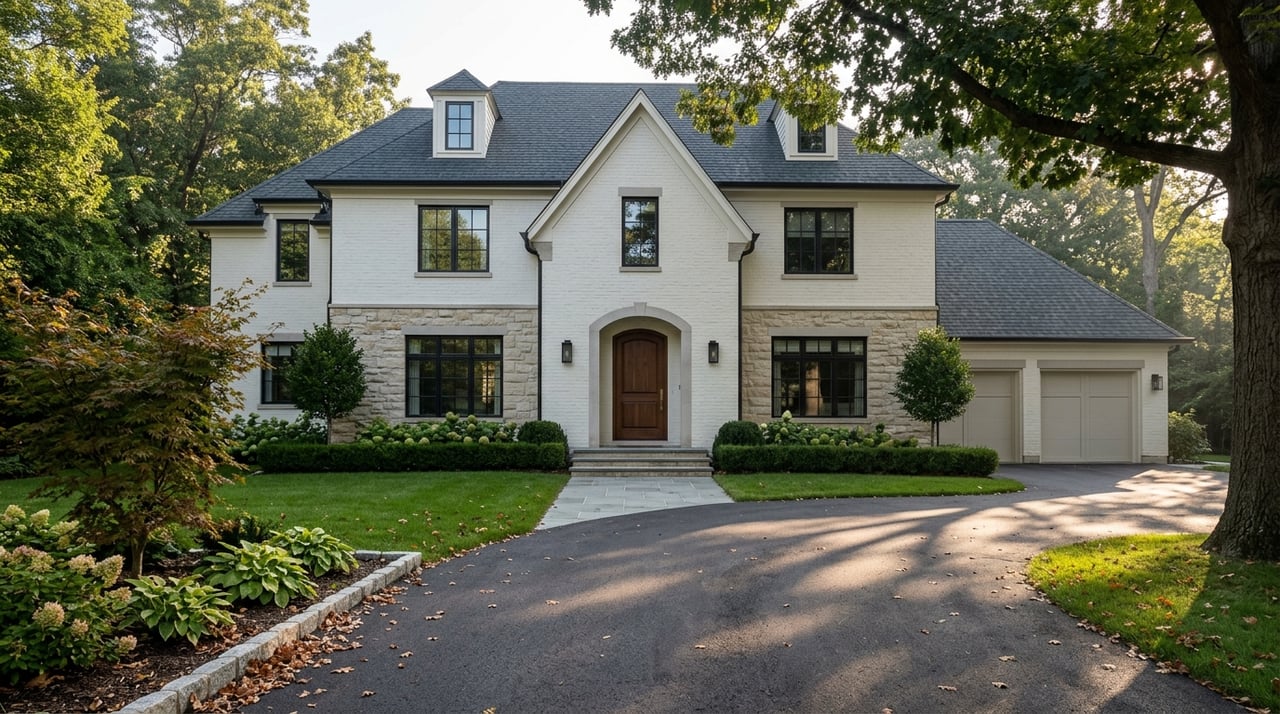
Pittsburgh offers a broader mix of housing types and architectural patterns. City inventories point to older urban housing forms in some neighborhoods, including rows and subdivided flats, along with renovated homes and properties in historic districts. That variety can appeal to buyers who want character, renovation potential, or a more established urban setting.
The tradeoff is that older housing may come with more rules if you plan to make changes. The city zoning code regulates renovations, additions, new construction, and subdivisions within city limits. If you are drawn to an older home, it is smart to understand what may affect future updates before you buy.
Housing in the North Hills
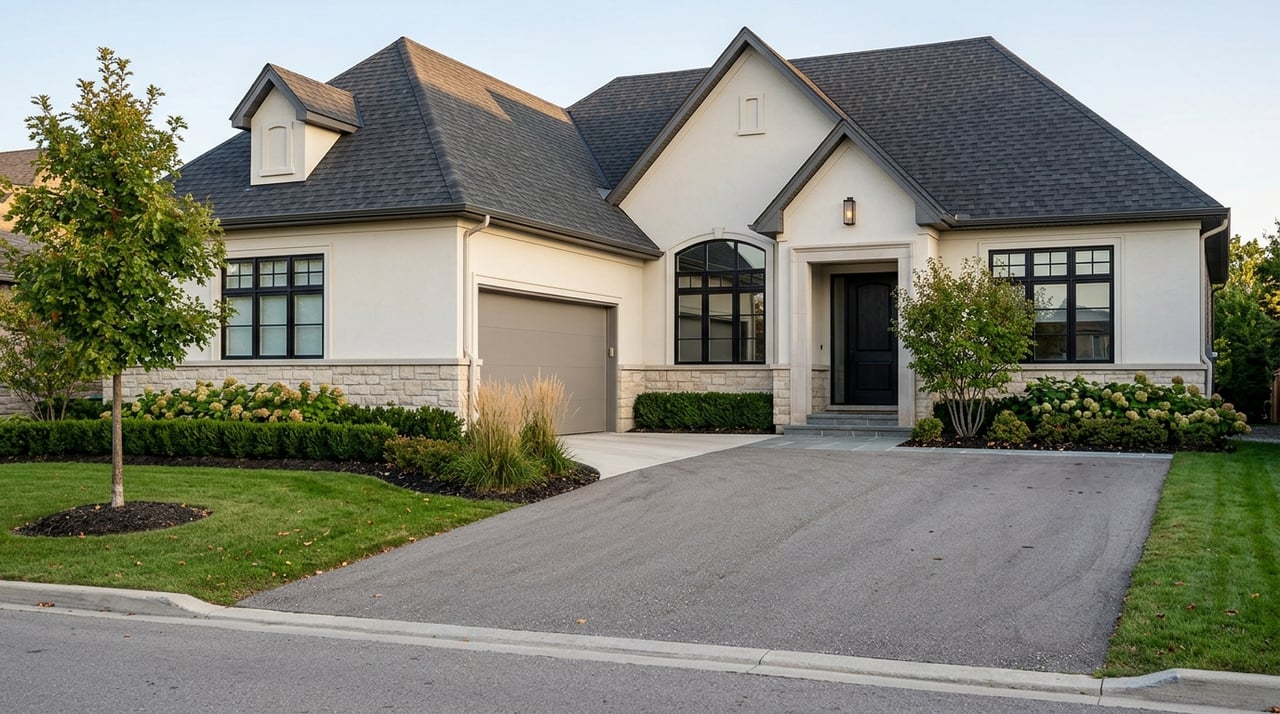
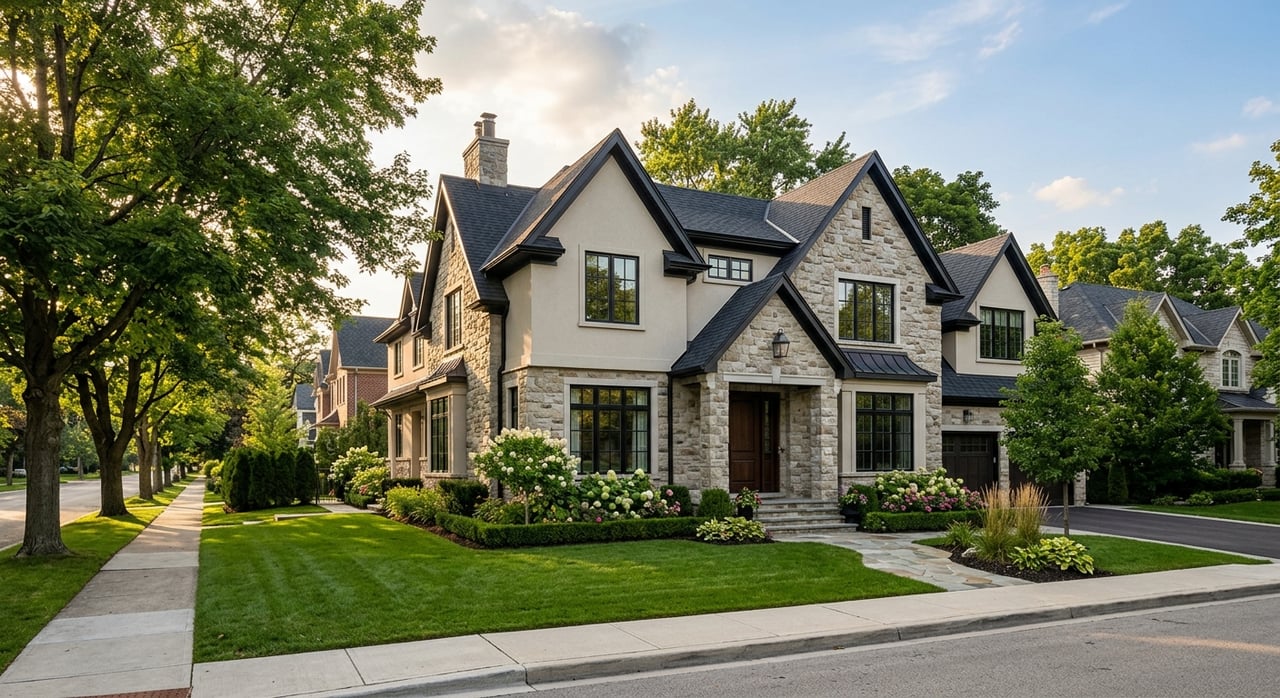
North Hills housing often aligns more closely with the suburban model many buyers picture first. In Cranberry Township, single-family detached homes made up the majority of homes built before 2012, though later years added more attached and multifamily options. That means buyers may still find the traditional suburban layout they want, while also seeing more variety than in the past.
For many move-up buyers and relocating households, this mix can be appealing. You may find larger lots, newer construction patterns, and neighborhood layouts designed around vehicle access and residential separation. If your priorities include space, storage, or a more suburban setting, the North Hills may feel like a natural fit.
Commute and transportation
Pittsburgh transit access
Pittsburgh has the strongest transit advantage in this comparison. Pittsburgh Regional Transit says its bus network covers more than 500 square miles of Allegheny County, its light rail extends 26 miles from the North Shore to communities in the South Hills, and it offers more than 50 park-and-rides. Census QuickFacts also shows Pittsburgh’s mean travel time to work at 22.7 minutes.
If you want more flexibility beyond driving, the city may offer a better match. Depending on the neighborhood, you may have easier access to bus service, walkable destinations, and shorter non-car trips. That can be especially helpful if you prefer a less car-dependent routine.
North Hills driving patterns
In the North Hills, daily life is often more highway-centered. Cranberry Township highlights its location at the intersection of I-79 and the Pennsylvania Turnpike and notes that downtown Pittsburgh is less than half an hour away. That location can be a major plus for buyers who need regional access or regular highway commuting.
Still, suburban convenience often depends on driving, parking, and road access. Pine Township’s road maintenance pages even separate township, county, state, and private road responsibility, which is a good reminder that not every road works the same way in suburban areas. Transit options in the North Hills are also evolving, with proposed community circulators through PRT’s Bus Line Refresh.
Cost differences to know
One of the clearest distinctions is cost. Current ACS estimates show Pittsburgh’s median value of owner-occupied housing units at $205,800, with median gross rent at $1,261. In Cranberry Township, the median owner-occupied value is $421,300 and median gross rent is $1,708. In Pine Township, the median owner-occupied value is $579,700 and median gross rent is $2,134.
These figures are not the same as current listing prices, but they do show a meaningful gap. In general, the North Hills examples in this comparison come at a higher cost for both ownership and renting. If budget is one of your top filters, that difference should be part of your early planning.
Taxes and ownership details
Property taxes and ownership logistics deserve close attention on both sides of the comparison. In Pittsburgh, real estate taxes are based on county-assessed value, and the city’s millage rate was 9.67 as of January 1, 2026. Allegheny County also offers a Homestead/Farmstead exclusion for qualifying primary residences, which reduces county tax liability on the first $18,000 of assessed value.
In suburban areas, buyers should compare the full annual tax bill carefully and not rely on the mailing city name alone. The research also notes that in Butler County, the assessment office generates county, municipal, and school tax bills. That is one reason a side-by-side cost review matters so much when you are comparing homes across municipal lines.
Key questions to ask before you choose
The city-versus-suburbs decision usually becomes clearer when you focus on how you actually live. Ask yourself a few practical questions:
- Do you want more transit access or do you expect to drive most places?
- Is housing character more important to you, or is square footage and newer layout the priority?
- Do you want destinations to feel closer together, or do you prefer more separation and lower density?
- Is your budget better aligned with Pittsburgh pricing, or are you targeting higher-priced suburban markets like Cranberry or Pine?
- Are you comfortable reviewing zoning, historic-review, HOA, or private-road details depending on the property?
Your answers can help narrow the search much faster than starting with aesthetics alone.
When Pittsburgh may be the better fit
Pittsburgh may be the stronger choice if you want neighborhood variety, stronger transit access, and a broader range of older or character-filled housing. It can also make sense if you value shorter internal trips, nearby business districts in some neighborhoods, and a lower median housing value than the North Hills examples covered here.
For some buyers, the city offers more flexibility in lifestyle. If your ideal day includes more nearby destinations and less dependence on highways, Pittsburgh may align well with that vision.
When North Hills may be the better fit
The North Hills may be the better fit if you want a more suburban layout, more highway access, and housing patterns centered around detached homes and lower-density residential areas. It can also appeal to buyers who want a wider residential footprint and are comfortable with a more car-oriented routine.
Communities like Wexford, Cranberry Township, Pine Township, and nearby areas often attract buyers who want space, structure, and a suburban pace. If that sounds more like the way you want to live day to day, your search may naturally lean north of the city.
Choosing between Pittsburgh and the North Hills is not really about which is better overall. It is about which setting fits your routine, budget, and long-term plans. If you want clear guidance as you compare neighborhoods, taxes, housing styles, and commute patterns, Rachel Marshall can help you narrow the options and move with confidence.
FAQs
Is Pittsburgh or the North Hills more affordable for homebuyers?
- Based on current ACS estimates in the research, Pittsburgh has a lower median owner-occupied housing value at $205,800 than Cranberry Township at $421,300 and Pine Township at $579,700.
Is transit better in Pittsburgh or the North Hills?
- Pittsburgh has the stronger transit advantage, with bus service across more than 500 square miles of Allegheny County, a 26-mile light rail system, and more than 50 park-and-rides.
Are North Hills communities more car-dependent than Pittsburgh?
- In general, yes. The research shows North Hills communities are more highway-centered, while Pittsburgh typically offers shorter non-car trips and stronger transit access.
What housing styles are more common in Pittsburgh?
- Pittsburgh offers a broader mix that can include older attached homes, renovated properties, subdivided flats, and homes in historic districts, depending on the neighborhood.
What should buyers verify in North Hills areas like Mars or Pine Township?
- Buyers should confirm the actual municipality, review whether a road is township-maintained or private, and check whether an HOA applies when relevant.
Do Mars mailing addresses always mean a home is inside Mars Borough?
- No. The borough notes that many properties with a "Mars, PA" mailing address are not actually inside Mars Borough.